
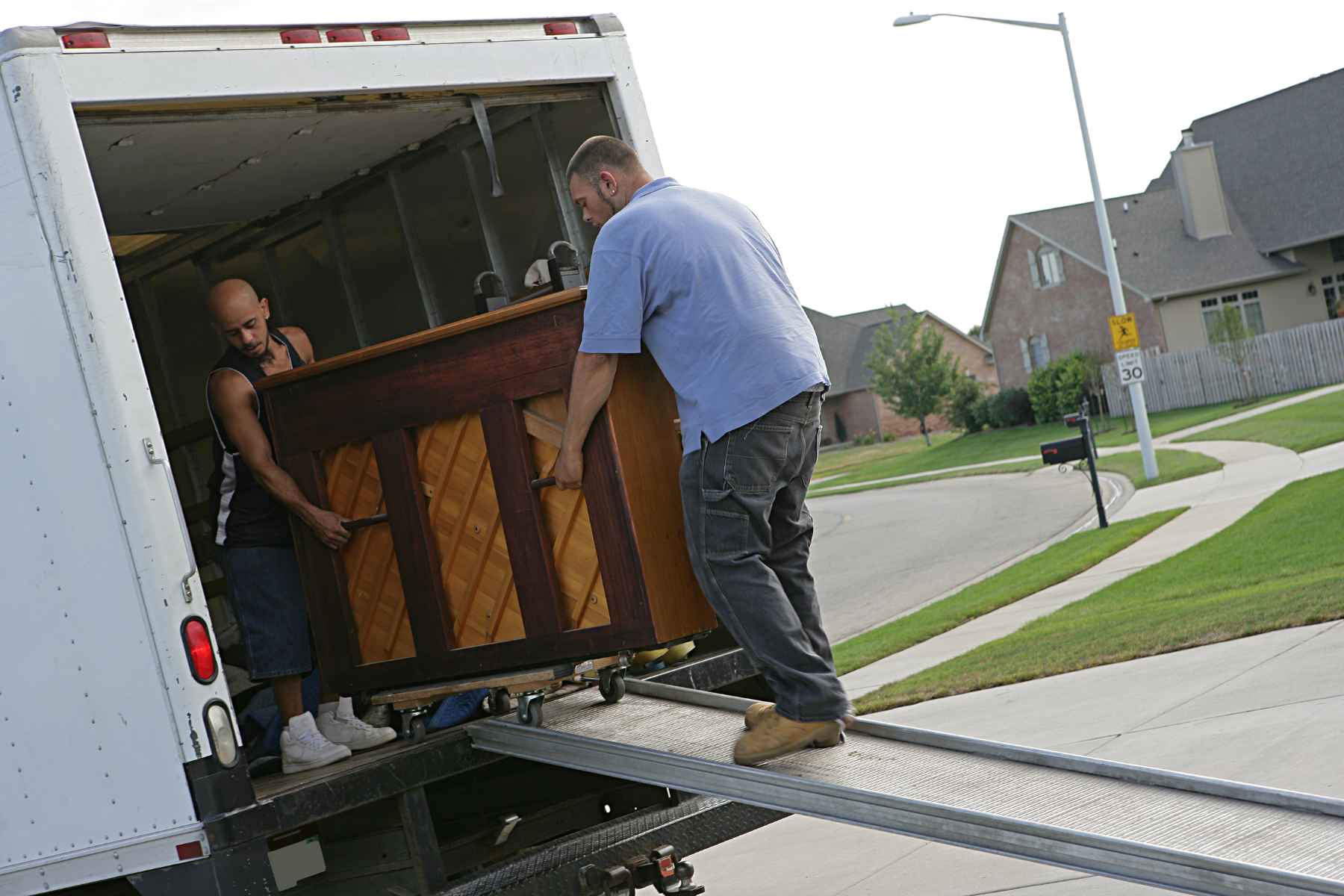
Moving a piano isn’t the same as moving a sofa.
The same applies to a large safe, pool table, commercial equipment, oversized cabinet or unusually heavy piece of furniture.
The challenge isn’t simply the item’s weight.
Movers also need to consider how it will be lifted, where it needs to go, whether it can fit through the available access points, what surfaces need protection and what equipment is required.
That’s why specialist moving should be planned before moving day—not figured out when the item is already sitting in the driveway.
Quick Answer: What Makes a Heavy Item Difficult to Move?
The weight is only one part of the problem.
Before a professional moving team handles a piano, safe or other heavy item, they should consider:
- Weight and dimensions
- Shape and balance
- Doorway and passage widths
- Stairs and turns
- Lift dimensions and weight limits
- Ground conditions
- Collection and delivery access
- Floor and wall protection
- Required lifting or moving equipment
A heavy item that has plenty of open space around it can sometimes be easier to move than a lighter item trapped at the bottom of a narrow staircase.

Moving a Piano Requires More Than Extra People
A piano may look straightforward to move because it has wheels or a relatively compact shape.
Those features can be misleading.
Pianos are heavy, awkward to manoeuvre and can be difficult to navigate through tight spaces.
The moving team needs to assess:
- Piano type and approximate weight
- Overall dimensions
- Doorways
- Staircases
- Turns and corners
- Floor surfaces
- Outdoor access
- Final placement
A professional piano move is therefore planned around the entire route, not simply the distance between two rooms.
For particularly difficult access, additional equipment or specialised handling may be required. Let us move your speciality items.
What About Moving a Safe?
Safes create a different challenge.
Their weight can be concentrated into a relatively small footprint, making them difficult to manoeuvre safely.
Before moving a safe, the team should know:
- Approximate weight
- Dimensions
- Whether it is empty
- Where it is currently positioned
- Whether stairs are involved
- Whether the destination has stairs
- Doorway widths
- Floor type
- Whether a suitable vehicle can accommodate it
If you know the safe’s manufacturer, model or specifications, provide those details when requesting a quote.
Don’t guess the weight if you can avoid it.
Accurate information helps the moving company determine the appropriate equipment, labour and vehicle requirements.
The Route Matters as Much as the Item
This is one of the biggest differences between ordinary furniture removal and special item moving.
A professional mover shouldn’t only ask:
“What are you moving?”
They should also ask:
“How are we getting it out?”
For example, a piano might need to pass through:
Room → doorway → passage → staircase → entrance → driveway → truck
Every section of that route can create a different challenge.
Before moving day, check:
Doorways
Measure the narrowest point rather than assuming the doorway is wide enough.
Staircases
Look at the width, turns, landings and handrails.
Lifts
Don’t assume a lift can carry a heavy item simply because the item physically fits inside.
Check the lift’s dimensions and weight capacity.
Driveway and Parking Access
A large removal vehicle needs enough space to park safely and allow the team to work.
Protecting the Property Is Part of the Move
Heavy items can put additional pressure on floors, walls, door frames and other surfaces during handling.
Professional preparation can include appropriate:
- Floor protection
- Furniture blankets
- Protective wrapping
- Corner protection
- Doorway protection
- Secure loading equipment
The goal isn’t simply to get the item from A to B.
It’s to complete the move without unnecessarily damaging the item or the property around it.
Don’t Assume the Heaviest Truck Is the Best Truck
A common misconception is:
“It’s heavy, so I need the biggest truck.”
Not necessarily.
The right vehicle depends on the item, its dimensions, the rest of the load, access conditions and the planned handling method.
For specialist items, vehicle selection should be part of the assessment, rather than an afterthought.
What Information Should You Give the Moving Company?
If you’re requesting a quote for moving a piano, safe or another specialist item, provide as much detail as possible.
Send:
Item: Piano, safe, pool table, machinery, etc.
Dimensions: Height × width × depth.
Approximate weight: Manufacturer information is useful.
Collection location: House, office, apartment, warehouse, etc.
Access: Ground floor, stairs, lift or restricted entrance.
Destination: Include the same access information.
Photos: Photos of the item and its route can be extremely useful.
The more accurate the information, the easier it is to plan the move properly.
When Should You Book Specialist Moving?
Don’t leave unusual or particularly heavy items until the last minute.
Give the moving company enough time to assess:
- Access
- Equipment
- Labour requirements
- Vehicle requirements
- Protection
- Collection and delivery scheduling
This becomes particularly important when moving a specialist item alongside a full household or office relocation.
Frequently Asked Questions
Can professional movers move a piano?
Yes. Pianos can be moved as specialist items when the appropriate planning, equipment and handling methods are used.
Can a moving company move a safe?
Yes, depending on the safe’s weight, dimensions, access conditions and the equipment available for the move.
Does moving a piano require special equipment?
It can. The equipment required depends on the piano, access route, stairs, surfaces and handling conditions.
How do I prepare a piano for moving?
Provide accurate information about the piano and its access route before moving day. The moving team can then determine the appropriate protection and handling requirements.
What if my heavy item won’t fit through the doorway?
Don’t try to force it through. Inform the moving company before the move so the access route can be assessed and an appropriate handling plan developed.
Moving a Piano, Safe or Other Heavy Item?
Specialist items deserve a specialist plan. Key Moves provides special item moving solutions for pianos, safes and other challenging furniture and belongings, with the planning focused on safe handling, access and protection.
Have something difficult to move?
GET A FREE QUOTE